Conference Paper: “Wielding and Caring for the Weather: Individual Agency and Reactionary Care in Makoto Shinkai’s Tenki no Ko”

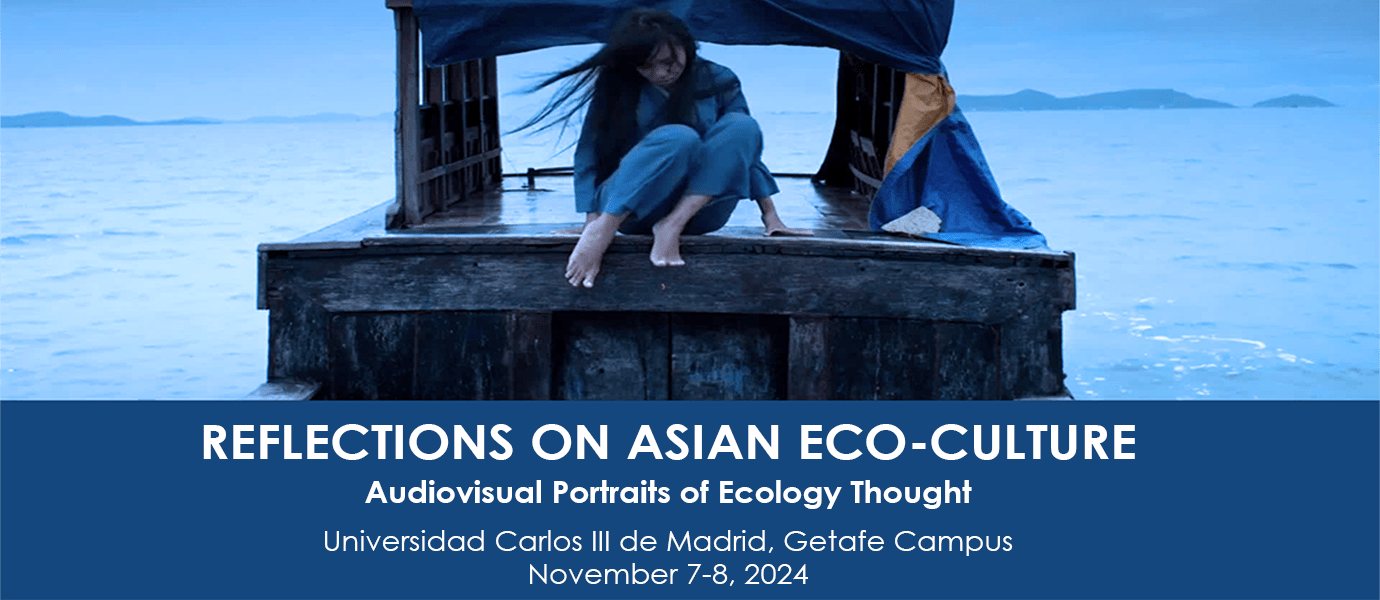
I had a great time participating in the conference Reflections on Asian Eco-Culture: Audiovisual Portraits of Ecology Thought, held at the Carlos III University, in Madrid. Being a literary scholar, it was my first time collaborating so closely with colleagues from film studies, but the thematic connections (and textual interpretations of many of the analysis) are happily strong.

I presented a paper on how Makoto Shinkai’s Weathering with You (2019) examines individual agency and interpersonal care in the face of climate crisis. While the film initially promises fresh perspectives on human-nature relationships and environmental responsibility, it ultimately retreats into conventional narrative patterns.

Kudos to the organizers, the keynote speakers (professors Ursula Heise and Sean Cubitt), and my talented panel lecturers!

CfP Theory Now: Cli-Fi as Dystopia, Utopia, or Realism: Understanding the Challenges of Imagining the Climate Crisis

I am editing a special issue on Cli-Fi for the journal Theory Now, to be published in summer 2025. Here are the details:

Submissions until December 1, 2024. Please ensure that submissions are sent to the guest editor (jordi@serranomunoz.com) and uploaded simultaneously to the platform.

In a time when the specter of environmental catastrophe is not a possibility for a hypothetical or distant future, but a matter of contemporary and most pressing concern, the ways in which we incorporate its causes and consequences into our collective cultural imagination as a species has emerged as a dynamic arena for critical inquiry. As scientists, scholars, and policy-makers grapple with the complexities of how to effectively address the climate crisis, contemporary fiction has become a site for exploring another set of parallel questions: how are we imagining a present and a future where climate crisis is the new norm? When do we cross the threshold of considering the ongoing climate crisis a matter of realist fiction instead of a concern for authors of dystopian plots? Is it still possible – or even responsible – to imagine eco-utopias based on how far behind are we on our goals for sustainable development? Or are they now more necessary than ever to promote an ideal objective to achieve?

Building upon existing scholarship, this special issue of Theory Now aims to deepen our understanding of climate fiction (cli-fi) and to question the range and diversity of its manifestations. From the stark realism of cli-fi dystopias to techno-optimism, authors employ a diverse array of narrative techniques to confront the existential challenges posed by the climate crisis. We encourage authors to analyze the intricate interplay of form and content, exploring how fiction shapes our understanding of the climate crisis and inspire transformative action. As our definition of what to consider cli-fi continues to evolve as a genre, questions surrounding its boundaries, conventions, and aesthetic sensibilities have come to the fore.

While much attention has been paid to cli-fi produced in Europe and the United States, voices from the Global South offer invaluable perspectives on the climate crisis, challenging dominant narratives and foregrounding the intersecting dynamics of race, class, and colonial legacies. We encourage papers addressing these questions and which explore the diverse voices and narratives emanating from underrepresented connections and traditions.

We welcome submissions from scholars across disciplines, including literature, cultural studies, environmental humanities, and beyond. Interdisciplinary approaches are encouraged, as are contributions that engage with underrepresented voices and perspectives. An example of potential topics includes, but is not limited to:

  • Discussion on the state and direction of speculative fiction, either utopias or dystopias, when it comes to the representation of the climate crisis.
  • Debates over how tropes associated with cli-fi intertwined with conventions traditionally associated with realism in literary fiction.
  • Contemporary fictional representations of the climate crisis, specially by authors from the Global South.
  • The role and presence of counter-hegemonic politics of care and ecofeminism in contemporary climate fiction.
  • Challenges for the narration of the climate crisis, such as questions on temporality, spatial distribution, regional inequality, individual vs collective agency, or human-nonhuman relationships.
  • Transmedia and transdiciplinary approaches to the representation of the climate crisis, with an emphasis on the challenges and opportunities brought by bending traditional conventional lines.

Papers should be between 5,000 to 11,000 words, including notes and references. They need to follow the journal’s style of conventions and can be written in English, Spanish, or French. Authors are responsible for any necessary language editing and proofing. Submissions must include a justification on why the author believes their paper fits within the scope of this special issue.
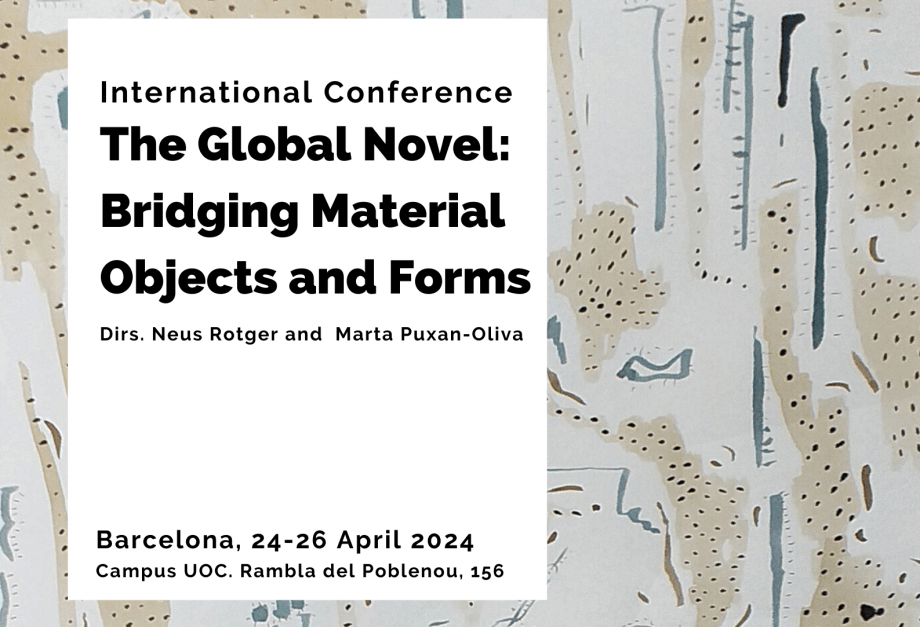
Participation in the Conference “The Global Novel: Material Objects and Forms”

It was my great pleasure to participate on April 25 in the international conference The Global Novel: Material Objects and Forms, the closing event for the ERC project The Global Novel, led by Neus Rotger, with my paper “Care, Nature, and Dystopia: Affective Ecocriticism of Tawada Yōko’s Kentōshi and Fernanda Trías’ Mugre Rosa“.

It was a wonderful event filled with very interesting presentations and a lively discussion on the limits and challenges for current debates surrounding what we call global literature.

Actividades de febrero 2024: catástrofes y distopías en México

Este febrero, aprovechando un viaje a México, he tenido el gusto de poder participar en dos actividades organizadas en la capital.

Por un lado, el 15 de febrero fui invitado a participar en un coloquio sobre el pensamiento traumático en las distopías transpacíficas organizado por el Centro Cultural Hotaru, una iniciativa incipiente de divulgación de conocimiento sobre Japón.

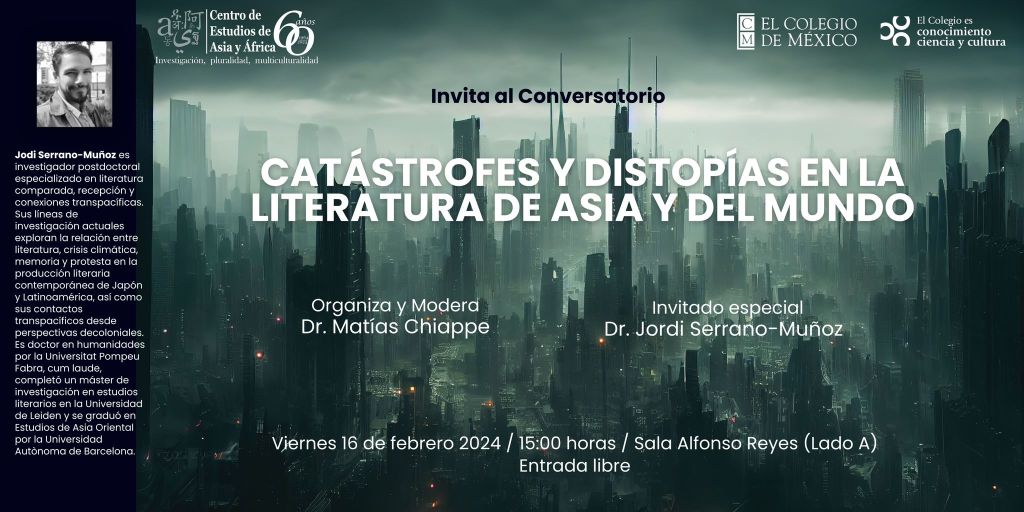
Por otro, al día siguiente, 16 de febrero, regresé felizmente al CEAA para dar esta charla junto con mi amigo y colega Matías Chiappe sobre cómo se construye contemporáneamente la idea de catástrofe y distopía desde la ficción asiática.

¡Muy agradecido al público y a los organizadores por todo vuestro interés!

Cursos abiertos de otoño 2023 de introducción a la literatura y cultura japonesa contemporáneas

Este otoño he tenido el gran gusto de poder impartir dos seminarios muy enriquecedores a nivel profesional, pero también personal, porque no iban dirigidos exclusivamente a la comunidad académica universitaria (¡siempre va bien salir del nicho!).

En “Introducción a la cultura japonesa: una aproximación comparativa”, impartido en el CTIF-Centro de Madrid, hicimos un curso acelerado pero en profundidad de aspectos históricos, políticos y culturales de Japón, con un énfasis en la desexotización del país, pensado para profesores de instituto de la Comunidad de Madrid. Fue una experiencia muy grata en la que pude disfrutar también del conocimiento e intereses de un público tan diverso. Enseñar a educadores siempre es un reto, además.

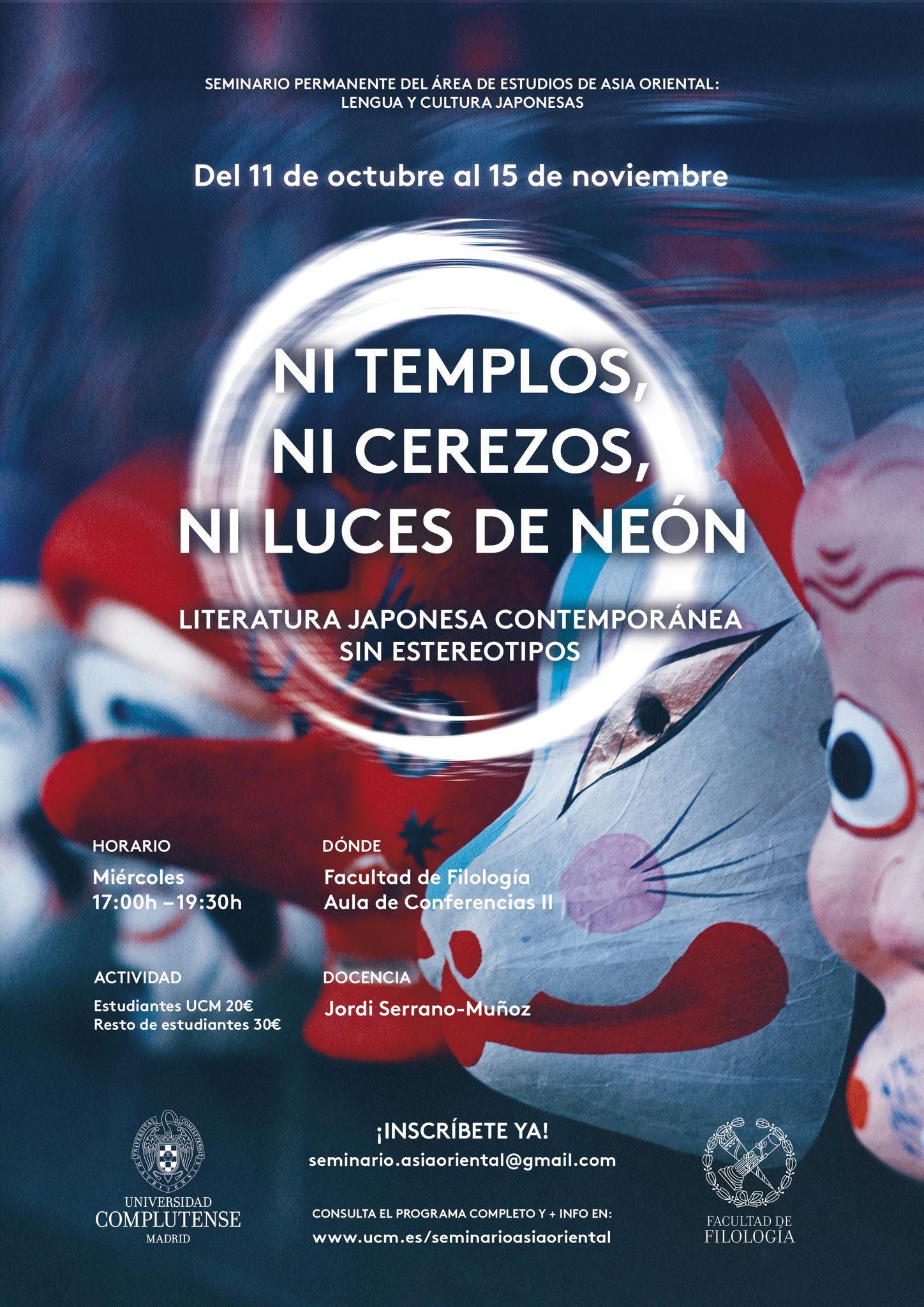
“Ni templos, ni cerezos, ni luces de neón: la literatura japonesa contemporánea sin estereotipos” ha sido un seminario en línea organizado por la Complutense de Madrid en el que hemos visto, por bloques, varios de los conflictos y autores principales de la producción literaria japonesa, presentado para un público abierto (desde estudiantes de la UCM hasta asistentes de todas partes) que se acercara con o sin conocimientos de la misma. Agradezco el interés de todos los participantes; sé que se quedó un poco corto, a la próxima lo haremos más largo.

Muchas gracias al CTIF y a la UCM por su gran trabajo de organización. ¡A por más ediciones!

Presentación para el III Congreso Internacional Complutense de Asia Oriental

A mediados de octubre he tenido la ocasión de nuevo de pasar por la Universidad Complutense de Madrid, esta vez con motivo del III Congreso Internacional Complutense de Asia Oriental. Como el tema del congreso era la vida cotidiana, he pensado que sería un muy buen momento para compartir parte del trabajo que hice sobre el escritor Tsutsui Yasutaka y su crítica y parodia a la normatividad asalariada del supuesto boom económico japonés y que publiqué como un capítulo en el libro Nuevas aproximaciones a la literatura japonesa, editado por Pau Pitarch para Bellaterra.

Mi agradecimiento y enhorabuena a los organizadores, tuve el gusto de poder atender a otras ponencias bien interesantes y de conocer compañeras con las que no habíamos podido coincidir hasta entonces.

Presentation of “Ponti”, by Sharlene Teo

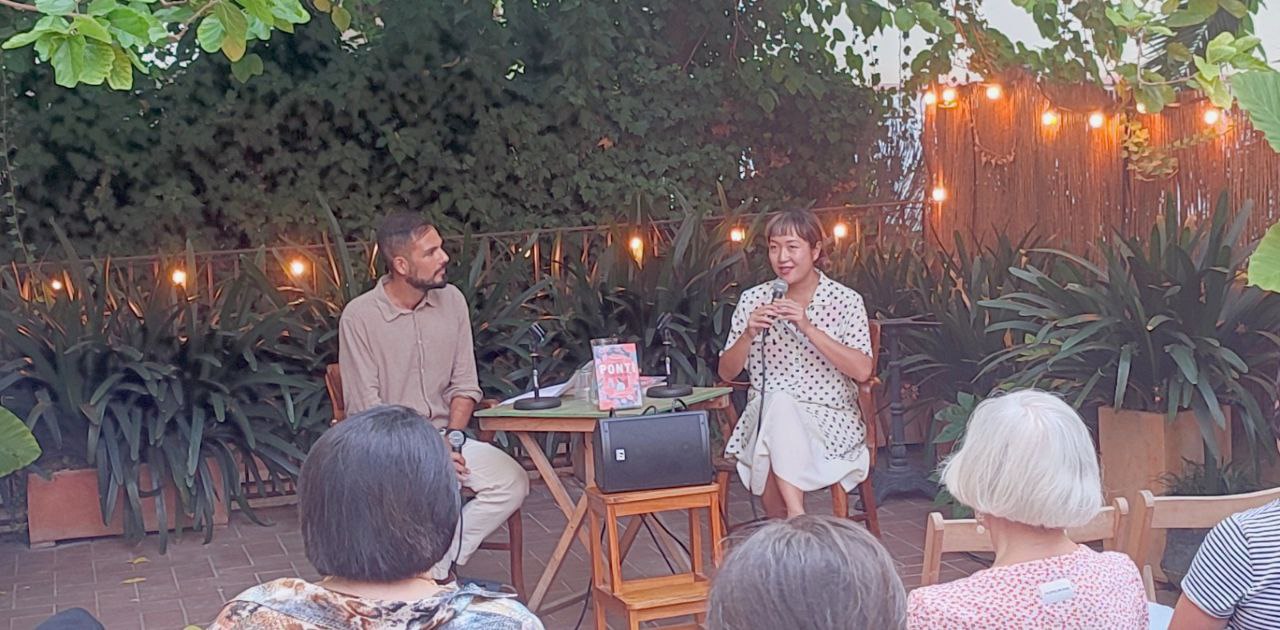
I had the wonderful honor of presenting the novel Ponti, by the incredibly talented, funny, and insightful Sharlene Teo, at the patio of La Central in Barcelona. We chatted about ghosts, teenage trauma, and the weight of symbolic capital for so-called world literature authors coming from the Global South.

Ponti is a novel located at different moments of Singapore’s last 50 years and which combines teenage frenemy relationships, specific flavors of sorority, and contemporary tales of contemporary (and traditional) ghosts to explore how the weight of expectations (expectations associated with gender, family, and personal ambition) shape us throughout the years, making us question to what extent are we able to acquire agency in our own personal trip of identity building.

My thanks to Casa Asia and Tramoia Cultura (via l’Ajuntament de Barcelona) for organizing and sponsoring this event.

Participación para el III Congreso de la Asociación Española de Estudios de Asia Oriental

A principios de junio pasé unos días en Salamanca con motivo del III Congreso de la Asociación Española de Estudios de Asia Oriental y tuve el gusto enorme de poder compartir parte de mi investigación sobre la dirección actual de la recepción de literatura japonesa en España para un panel bien interesante organizado por mis compañeras del grupo de investigación GREGAL.

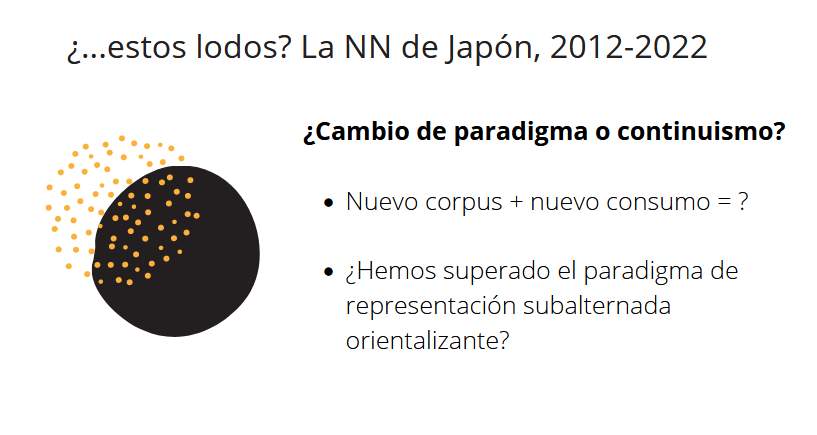
En mi presentación hablé sobre un tema que tenía algo aparcado desde la tesis, los discursos de representación nacional – o narrativas nacionales – que emergen y se ponen en circulación a partir de la discusión de literatura traducida, actualizándolo a lo que creo pueden ser sus características principales y los retos asociados a su investigación.

Mi objetivo es seguir trabajando en estas líneas dentro del proyecto que llevamos a cabo junto con los compañeros del GREGAL “El boom cultural japonés y surcoreano en España: aspectos culturales, políticos y socioeconómicos (KOCUJA)”.

Master Class for the Sustainable Migration and the Decolonization of International Relations

I had the great pleasure to conduct a master class for the “Morocco and Spain: Sustainable Migration and the Decolonization of International Relations” seminar, held by the IES Abroad, wonderfully coordinated by the fantastic Chiara Olivieri.

The select and highly engaged group of students and I discussed the limits and possibilities for a decolonial approach to our methodologies, both in and outside academia. I hope our debates informed and inspired them on while producing their fieldwork in Morocco.

Kyarachters Symposium – UCLA

I had the wonderful experience of sharing my paper “Outlasting it all? Representing the survivor in post-3.11 literature” at UCLA on the 29th of April for the Kyarachters Symposium, organized by the Yanai Initiative. I talked about how the present convention is based on a construction of the character of the survivor as an individual trapped by a personally elusive and socially eluded trauma, and received the generous and brilliant feedback from peers and colleagues.

The format of having a relatively small cohort of researchers exposing their work for three days in a row, sharing living facilites and getting to know each other was an immense privilege. My most sincere thanks to Michael Emmerich, Elizabeth Leicester, and the rest of the organizers for their generosity, patience, and warm disposition. Here’s for more opportunities of collaboration!