Presentación para el III Congreso Internacional Complutense de Asia Oriental

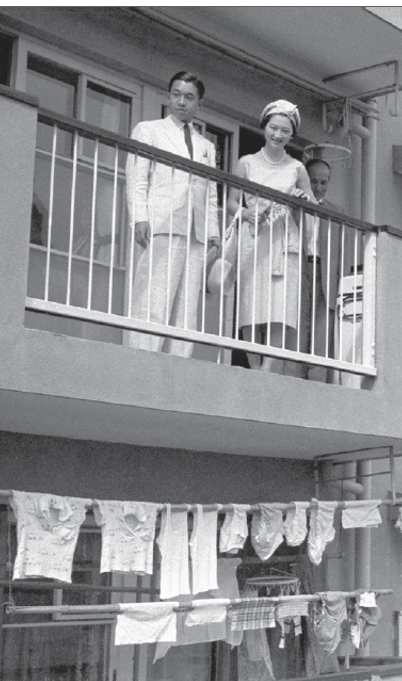
A mediados de octubre he tenido la ocasión de nuevo de pasar por la Universidad Complutense de Madrid, esta vez con motivo del III Congreso Internacional Complutense de Asia Oriental. Como el tema del congreso era la vida cotidiana, he pensado que sería un muy buen momento para compartir parte del trabajo que hice sobre el escritor Tsutsui Yasutaka y su crítica y parodia a la normatividad asalariada del supuesto boom económico japonés y que publiqué como un capítulo en el libro Nuevas aproximaciones a la literatura japonesa, editado por Pau Pitarch para Bellaterra.

Mi agradecimiento y enhorabuena a los organizadores, tuve el gusto de poder atender a otras ponencias bien interesantes y de conocer compañeras con las que no habíamos podido coincidir hasta entonces.
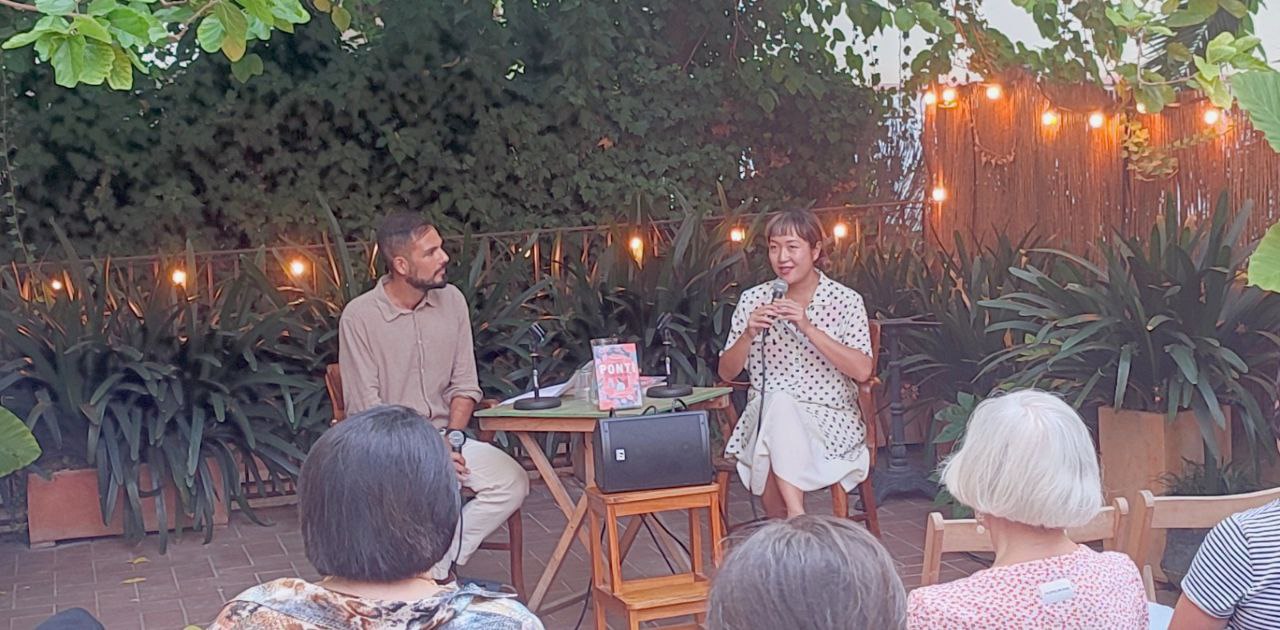
Presentation of “Ponti”, by Sharlene Teo

I had the wonderful honor of presenting the novel Ponti, by the incredibly talented, funny, and insightful Sharlene Teo, at the patio of La Central in Barcelona. We chatted about ghosts, teenage trauma, and the weight of symbolic capital for so-called world literature authors coming from the Global South.

Ponti is a novel located at different moments of Singapore’s last 50 years and which combines teenage frenemy relationships, specific flavors of sorority, and contemporary tales of contemporary (and traditional) ghosts to explore how the weight of expectations (expectations associated with gender, family, and personal ambition) shape us throughout the years, making us question to what extent are we able to acquire agency in our own personal trip of identity building.

My thanks to Casa Asia and Tramoia Cultura (via l’Ajuntament de Barcelona) for organizing and sponsoring this event.

Participación para el III Congreso de la Asociación Española de Estudios de Asia Oriental

A principios de junio pasé unos días en Salamanca con motivo del III Congreso de la Asociación Española de Estudios de Asia Oriental y tuve el gusto enorme de poder compartir parte de mi investigación sobre la dirección actual de la recepción de literatura japonesa en España para un panel bien interesante organizado por mis compañeras del grupo de investigación GREGAL.

En mi presentación hablé sobre un tema que tenía algo aparcado desde la tesis, los discursos de representación nacional – o narrativas nacionales – que emergen y se ponen en circulación a partir de la discusión de literatura traducida, actualizándolo a lo que creo pueden ser sus características principales y los retos asociados a su investigación.

Mi objetivo es seguir trabajando en estas líneas dentro del proyecto que llevamos a cabo junto con los compañeros del GREGAL “El boom cultural japonés y surcoreano en España: aspectos culturales, políticos y socioeconómicos (KOCUJA)”.

Master Class for the Sustainable Migration and the Decolonization of International Relations

I had the great pleasure to conduct a master class for the “Morocco and Spain: Sustainable Migration and the Decolonization of International Relations” seminar, held by the IES Abroad, wonderfully coordinated by the fantastic Chiara Olivieri.

The select and highly engaged group of students and I discussed the limits and possibilities for a decolonial approach to our methodologies, both in and outside academia. I hope our debates informed and inspired them on while producing their fieldwork in Morocco.

Kyarachters Symposium – UCLA

I had the wonderful experience of sharing my paper “Outlasting it all? Representing the survivor in post-3.11 literature” at UCLA on the 29th of April for the Kyarachters Symposium, organized by the Yanai Initiative. I talked about how the present convention is based on a construction of the character of the survivor as an individual trapped by a personally elusive and socially eluded trauma, and received the generous and brilliant feedback from peers and colleagues.

The format of having a relatively small cohort of researchers exposing their work for three days in a row, sharing living facilites and getting to know each other was an immense privilege. My most sincere thanks to Michael Emmerich, Elizabeth Leicester, and the rest of the organizers for their generosity, patience, and warm disposition. Here’s for more opportunities of collaboration!

Seminar: Representing the Climate Crisis in European Art and Culture

Between January and March 2023, I had the pleasure of leading a seminar on the conflicts and possibilities related to the representation of the climate crisis in artistic and cultural manifestations in Europe.

In four different sessions, we discussed how we are living in a paradigm where the artificial divisions between nature and culture are being erased, what it means to live in the Anthropocene, the problems of thinking in different spatial and temporal scales, how all crises are intertwined – and how we cannot and should not think of the climate crisis as an isolated challenge – and how dystopias and utopias are two sides of the same coin when it comes to imagining (and not just representing) what we are living today.

It was an immense pleasure that I hope to repeat soon. My thanks to the organizers at the Centre Cultural La Nau, the University of Valencia, and all the wonderful participants!

Ponencia invitada UCM: “La recepción de la literatura japonesa contemporánea en España a través de sus premios Nobel”

Estoy muy agradecido a los compañeros de la Universidad Complutense de Madrid por haberme invitado a realizar una ponencia invitada dentro del marco de su Seminario Permanente del Área de Estudios de Asia Oriental. En ella he podido hablar de cómo el premio Nobel de literatura actúa como un elemento canonizante conflictivo a la hora de entender la forma en que la literatura japonesa se ha editado y recibido en el estado español. Con ello invité a los estudiantes de doctorado que asistieron a la ponencia a que cuestionen la capacidad de agentes culturales hegemónicos, como el premio Nobel, para constituir cánones globales transversales y entre todos reflexionamos sobre el eterno dilema entre qué genera el canon, si la popularidad (Murakami Haruki?) o el prestigio (Kawabata Yasunari).

Book chapter: “The Illegitimate Ally: the hegemonic national narrative of Japan in the US (1945-2020)”

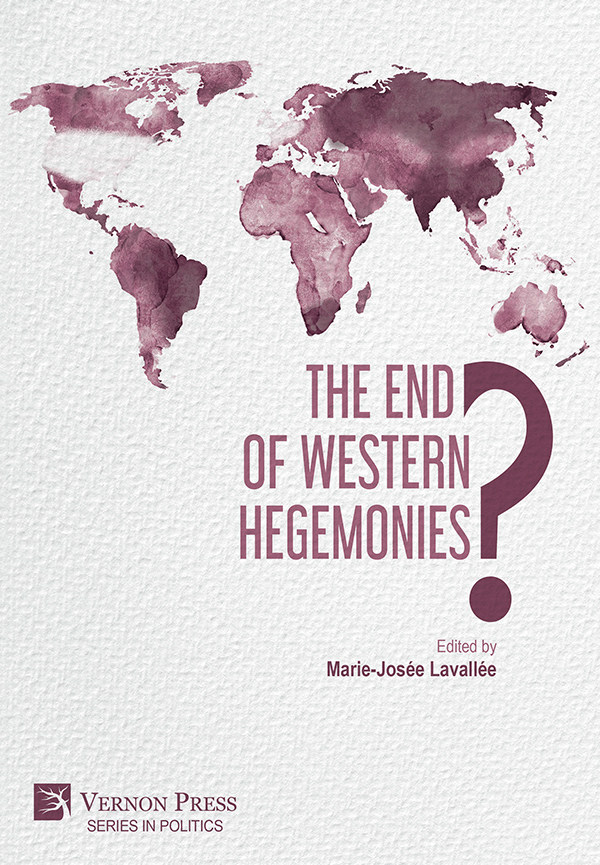
I am happy to announce that my piece “The illegitimate ally: the hegemonic national narrative of Japan in the US (1945-2020)” is already available as a book chapter for the collective volume The End of Western Hegemonies?, edited by Marie-Josée Lavallé and published by Vernon Press. It is an adapted fragment of my doctoral thesis, first presented at an international congress organized at the University of Jyvaskyla in 2019. Editorial processes are always a bit slow but all good things come for those who wait. You can access the book here and the chapter here.

Two mid-July panels: Non-Western Approaches to Environmental Humanities and CICELI III

I’ve had quite a busy week attending two fantastic events that cover two different branches of my current research lines. On July 11, I gave a talk on the trope of disasters in contemporary transpacific cli-fi for the Non-Western Approaches to Environmental Humanities conference organized by the University of Warsaw. On July 15, I presented at the CICELI III, held by the University of Valencia, the academic guidelines for the execution of theses that deal with the relationship between literature and violence against women that I’m designing together with profs. Teresa Iribarren, Montserrat Clua, and Montse Gatell, as part of an INDOVIG 21 Innovation in Teaching Grant conceded by the Spanish government. The incredible heat that we’re experiencing couldn’t deter us and I’m happy for the feedback received at the two venues.

Clase en la UBA y club de lectura

Este marzo he tenido el placer de haber sido invitado a debatir sobre literatura japonesa contemporánea en dos espacios diversos pero muy enriquecedores. Por un lado, participé en una clase sobre literatura japonesa y canon global dentro del seminario Clanes, Grupos y Tribus en la Literatura Japonesa Contemporánea, dirigido por el doctor Matías Chiappe y organizado en la Universidad de Buenos Aires. Me encantó poder hablar de cuestiones de literatura global y el papel de la producción japonesa en traducción al español en la construcción de sus circuitos de circulación con un grupo muy inteligente y proactivo.

También participé en un evento más divulgativo, una clase informal por Instagram Live organizada por el club de lectura Érase una vez, gestionado por Adán Serret, en el cual comentamos la novela La dependienta, de Murata Sayaka, junto con más de cien lectoras. Fue una experiencia preciosa en un espacio distendido y con un público muy atento que realizó preguntas muy estimulantes. En mayo repetiremos la experiencia con dos sesiones en las que comentaremos Pechos y huevos, de Kawakami Mieko.

Mi agradecimiento a Matías y Adán por invitarme y a los dos grupos por su participación activa.